
Winter Road Salt and Windshield Damage in Sterling Heights Explained
Winter in Sterling Heights brings icy roads, freezing temperatures, and heavy use of road salt to keep drivers safe. While salt plays a critical role in preventing accidents, it also raises concerns about vehicle damage, especially to windshields. Many drivers notice chips, cracks, or hazy glass during winter and immediately blame road salt. But how much of that belief is fact, and how much is myth?
Understanding the real relationship between winter road salt and windshield damage helps drivers protect their vehicles and make smarter decisions. This article breaks down the science, clears up common misconceptions, and explains how local experts evaluate winter-related windshield issues. By separating facts from myths, Sterling Heights drivers can reduce unnecessary worry while addressing real risks effectively.
Why Road Salt Is Used So Heavily in Sterling Heights
Sterling Heights experiences harsh winter conditions, including snowstorms, ice buildup, and fluctuating freeze-thaw cycles. Road salt is one of the most effective and affordable methods for melting ice and improving traction. Municipal crews rely on it to reduce accidents and keep traffic moving safely during winter months.
However, salt does not simply disappear after doing its job. It lingers on road surfaces, gets kicked up by tires, and coats vehicles in fine particles. Windshields are constantly exposed to this mixture of salt, sand, and debris, creating conditions that many drivers believe directly cause cracks and chips. The reality is more nuanced and worth exploring carefully.
Fact vs Myth: Does Road Salt Directly Crack Windshields?
One of the most common myths is that road salt itself cracks windshields. In truth, salt alone does not cause glass to crack. Windshields are designed to withstand chemical exposure, including salt. The real threat comes from solid debris mixed with salt, such as gravel or sand, which can strike the glass at high speed.
These impacts are more frequent in winter because road crews often spread abrasive materials along with salt. When vehicles drive over them, small stones can become airborne and hit windshields with enough force to create chips. Salt may contribute indirectly by increasing debris presence, but it is not the direct cause of cracks.
The Role of Temperature Changes in Winter Windshield Damage
Temperature fluctuation is one of the biggest contributors to windshield damage during winter. Cold glass contracts, while warm air from defrosters causes rapid expansion. This constant stress weakens the windshield over time, especially if small chips already exist.
When road salt is present, it can worsen the situation by holding moisture against the glass. Moisture seeps into tiny chips, freezes, expands, and turns minor damage into larger cracks. Local experts in Sterling Heights frequently see this pattern, where existing damage worsens rapidly during cold snaps rather than appearing suddenly without cause.
Myth: Washing Salt Off Immediately Prevents All Damage
Many drivers believe frequent washing completely protects windshields from winter damage. While washing salt off helps prevent corrosion on metal parts, it does not eliminate the risk of windshield cracking. Glass damage is primarily mechanical and thermal, not chemical.
That said, washing does improve visibility and removes abrasive residue that could cause scratches during wiper use. Clean glass reduces wear from gritty buildup, which can weaken the surface over time. While washing is beneficial, it should be viewed as part of overall winter care, not a guaranteed shield against cracks.
How Road Salt Affects Windshield Wipers and Visibility
Another overlooked issue is how road salt impacts windshield wipers. Salt residue dries into a fine, gritty film that wipers drag across the glass. Over time, this can create micro-scratches that weaken the windshield surface and reduce clarity.
Poor visibility increases driver stress and reaction time, especially in winter conditions. Local professionals often note that damaged wiper blades combined with salt buildup can accelerate wear on windshields. Replacing wipers regularly and using proper winter washer fluid helps reduce this form of indirect damage during the cold months.
Sterling Heights Road Conditions and Impact Frequency
Road conditions in Sterling Heights vary throughout winter. Early in the season, loose gravel and salt mixtures are most common, increasing the likelihood of windshield impacts. As winter progresses, potholes and uneven surfaces also contribute by causing vibrations that stress already weakened glass.
Local driving patterns matter as well. Highways and busy arterial roads see more debris movement due to traffic volume. Drivers who commute daily are more exposed than those who drive occasionally. Understanding these local factors helps explain why windshield damage appears more common in winter, even if salt itself is not the root cause.
When Winter Damage Can Be Repaired Instead of Replaced
Not all winter-related windshield damage requires replacement. Small chips and short cracks caused by flying debris are often repairable if addressed quickly. The key is timing. Winter conditions allow damage to spread faster, making early assessment essential.
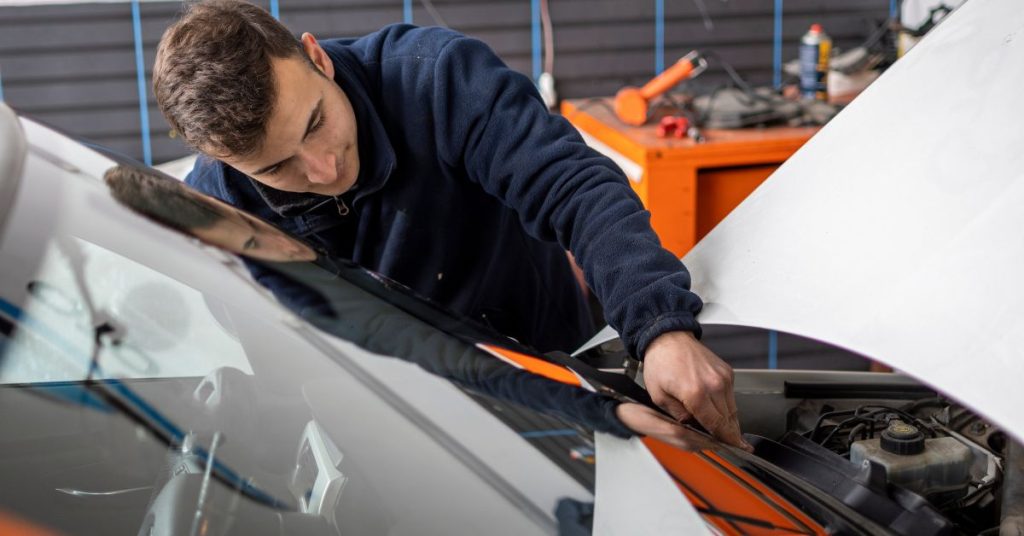
Professional Windshield repair services focus on stabilizing damage before freezing temperatures worsen it. Repair restores structural integrity and prevents moisture intrusion. Local experts emphasize that waiting until spring often turns repairable damage into replacement-level cracks.
Myth: Cracks Always Appear Immediately After Impact
Another misconception is that windshield damage always appears right after a stone hits the glass. In winter, cracks often develop hours or days later. A small chip may go unnoticed until temperature changes cause it to spread suddenly.
This delayed reaction leads many drivers to blame road salt exposure instead of the original impact. Understanding this timeline helps drivers recognize the importance of inspecting windshields regularly during winter. Early detection allows for prompt action before cracks grow beyond repair limits.
How Local Experts Diagnose Winter Windshield Damage
Professional technicians use more than visual inspection when evaluating winter windshield issues. They assess crack origin, contamination, depth, and stress patterns. Winter damage often shows signs of freeze expansion, such as branching cracks or cloudy edges.
Local experts in Sterling Heights also consider driving habits and recent weather patterns. This context helps determine whether damage is stable or likely to spread. Accurate diagnosis ensures drivers receive recommendations based on safety and long-term performance, not assumptions about winter salt alone.
Preventive Steps Drivers Can Take During Winter
While road salt cannot be avoided entirely, drivers can reduce risk through practical habits. Maintaining safe following distances lowers the chance of debris impact. Using winter-rated washer fluid prevents salt buildup and freezing issues.
Parking in garages or sheltered areas minimizes thermal shock. Avoid pouring hot water on icy windshields, as sudden temperature changes can cause immediate cracking. These simple actions significantly reduce winter windshield damage without requiring major expense or effort.
When Professional Evaluation Becomes Essential
Any visible chip or crack during winter should be evaluated promptly. Even minor damage can worsen overnight due to freezing temperatures. Professional assessment removes uncertainty and helps drivers decide whether repair is still possible.
Local Windshield repair specialists understand how Sterling Heights winters affect glass and can recommend the safest, most cost-effective solution. Acting early not only saves money but also preserves visibility and vehicle safety during the most challenging driving season.
Separating Fear from Facts About Winter Road Salt
Road salt has earned a reputation as a windshield villain, but the truth is more balanced. Salt contributes indirectly by increasing debris and moisture exposure, but it does not directly crack glass. Temperature stress, impacts, and delayed repairs play much larger roles.
By understanding these factors, Sterling Heights drivers can make informed decisions instead of reacting to myths. Knowledge empowers prevention, timely repair, and safer winter driving. When facts replace assumptions, windshield care becomes a manageable part of winter vehicle maintenance rather than a source of ongoing concern.