
Transmission Controller and Its Role in Modern Vehicle Dynamics
A transmission controller is a critical component in modern vehicles, acting as the decision-making hub that governs how and when gear changes occur. As powertrains have become more sophisticated, the need for precise, adaptive control has grown. The controller interprets inputs from sensors such as throttle position, vehicle speed, engine load, and temperature to determine optimal shift timing. This orchestration ensures smoother acceleration, improved efficiency, and protection of drivetrain components under a wide range of driving conditions.
Unlike mechanical systems of the past, contemporary transmission control relies heavily on software logic and real-time data processing. This evolution allows vehicles to adapt instantly to driver behavior and road conditions. Understanding how a transmission controller functions provides insight into why modern vehicles feel more responsive, refined, and efficient than earlier generations, even when equipped with similar engine outputs.
Core Functions of a Transmission Controller
At its core, a transmission controller manages gear selection, shift timing, and torque delivery. It ensures that the transmission operates within safe parameters while meeting performance and efficiency targets. By coordinating with the engine control unit, the controller balances power output with mechanical limits, preventing excessive wear or overheating. This coordination is especially important during rapid acceleration, towing, or driving on steep gradients.
The controller also manages auxiliary functions such as torque converter lockup, adaptive shift learning, and fail-safe operation. These features contribute to consistent performance and reliability. When sensors detect abnormal conditions, the controller can adjust shift patterns or enter protective modes to prevent damage. This intelligent oversight makes the transmission controller a cornerstone of modern vehicle reliability.
Evolution from Mechanical to Electronic Control
Early automatic transmissions relied on hydraulic pressure and mechanical governors to determine shift points. While effective for their time, these systems lacked precision and adaptability. The introduction of electronic transmission controllers marked a turning point, enabling precise control through programmable logic and sensor feedback. This shift allowed manufacturers to fine-tune performance for different markets, driving styles, and regulatory requirements.
Electronic control also paved the way for adaptive learning. Modern controllers analyze driving patterns over time, adjusting shift behavior to match individual preferences. This personalization enhances comfort and responsiveness without requiring driver intervention. The transition from mechanical to electronic control represents one of the most significant advancements in drivetrain technology over the past several decades.
Transmission Controllers and Shift Quality
Shift quality is one of the most noticeable aspects of vehicle refinement, and the transmission controller plays a decisive role in achieving it. Smooth shifts require precise coordination of clutch engagement, hydraulic pressure, and engine torque reduction. The controller calculates these variables in milliseconds, ensuring seamless transitions between gears.
Poorly calibrated controllers can result in harsh shifts, hesitation, or gear hunting. Manufacturers invest heavily in calibration to balance smoothness with responsiveness. Aftermarket tuning and updates can further refine shift behavior for specific use cases. Understanding the controller’s influence on shift quality helps drivers appreciate why software updates or recalibration can dramatically change how a vehicle feels on the road.
Performance Optimization Through Control Logic
Performance-oriented vehicles rely heavily on advanced transmission control strategies. In these applications, the controller prioritizes rapid gear changes, optimized torque delivery, and responsiveness. Sport modes often adjust shift points to higher engine speeds, keeping the engine within its power band. The controller may also allow more aggressive downshifts during braking to improve acceleration out of corners.
These performance enhancements are achieved without compromising reliability, as the controller continuously monitors operating limits. By managing torque precisely, it prevents excessive stress on gears and clutches. Enthusiasts seeking deeper insight into performance tuning often explore resources like Transmission Controller to understand how control logic influences driving dynamics.
Fuel Efficiency and Emissions Control
Transmission controllers play a vital role in meeting fuel efficiency and emissions targets. By selecting the most efficient gear for a given speed and load, the controller reduces engine workload and fuel consumption. Early upshifts and optimized torque converter lockup minimize energy losses during cruising. These strategies are particularly effective in highway driving, where small efficiency gains accumulate over time.
In hybrid and modern internal combustion vehicles, the controller also coordinates with engine start-stop systems and regenerative braking. This integration ensures smooth transitions between power sources and maximizes energy recovery. As regulations become stricter, transmission control strategies continue to evolve, making the controller a key contributor to environmental performance.
Integration with Driver Assistance Systems
Modern vehicles increasingly rely on integrated control systems, and the transmission controller is no exception. Advanced driver-assistance features such as adaptive cruise control, hill descent control, and traction management depend on precise gear selection. The controller works in concert with braking and stability systems to maintain control and comfort in complex driving scenarios.
For example, during adaptive cruise operation, the controller may downshift preemptively to maintain speed on inclines. In slippery conditions, it may hold a specific gear to prevent wheel spin. This level of integration enhances safety and reduces driver workload, demonstrating how transmission control extends beyond simple gear changes into holistic vehicle management.
Common Transmission Controller Issues
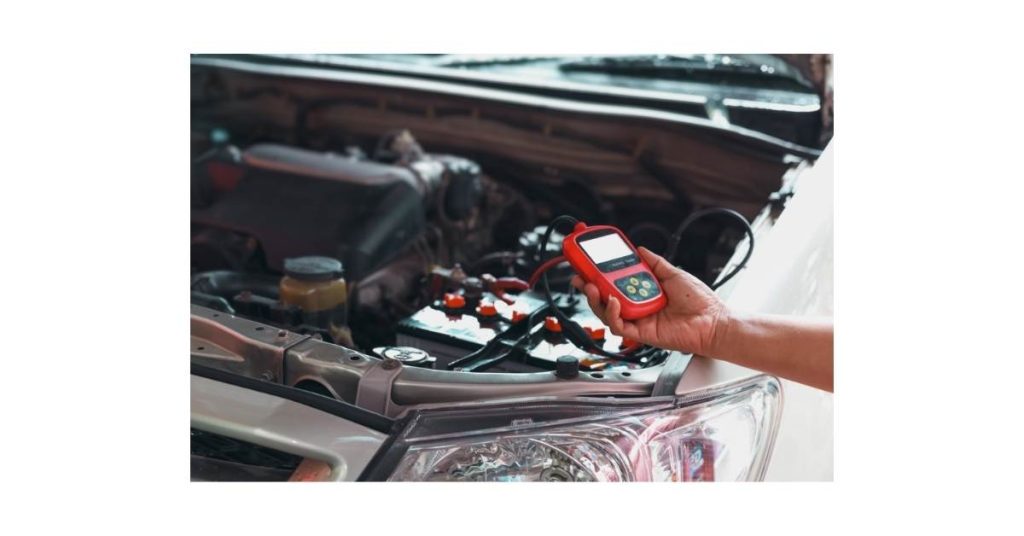
Despite their sophistication, transmission controllers are not immune to issues. Sensor failures, wiring problems, or software glitches can disrupt normal operation. Symptoms may include delayed shifts, erratic gear changes, or warning lights. Diagnosing these issues requires specialized tools capable of reading controller fault codes and live data.
Regular maintenance and software updates help mitigate many problems. In some cases, recalibration can restore proper function without mechanical repair. Understanding the controller’s role helps vehicle owners communicate more effectively with technicians and avoid unnecessary component replacements. Awareness is especially important as electronic systems become more complex and interdependent.
Aftermarket Controllers and Customization
Aftermarket transmission controllers offer customization options for enthusiasts and specialized applications. These controllers allow users to adjust shift points, line pressure, and torque management parameters. Such customization can improve performance in racing, towing, or off-road scenarios where factory calibration may be conservative.
However, aftermarket modifications require careful consideration. Improper settings can increase wear or compromise reliability. Users must balance performance gains with long-term durability. Educational platforms and technical guides help users make informed decisions when exploring aftermarket options, emphasizing the importance of understanding underlying control principles before making changes.
Transmission Controllers in Manual and Automated Systems
While commonly associated with automatic transmissions, controllers also play a role in automated manual and dual-clutch systems. In these configurations, the controller manages clutch engagement and gear selection electronically. This approach combines the efficiency of manual transmissions with the convenience of automation.
Dual-clutch systems, in particular, rely on precise control to achieve lightning-fast shifts. The controller preselects gears and coordinates clutch swaps to deliver uninterrupted power. This technology highlights how transmission control has expanded beyond traditional automatics, becoming a unifying element across diverse transmission architectures.
Diagnostics, Updates, and Long-Term Reliability
Software updates are an increasingly important aspect of transmission controller maintenance. Manufacturers release updates to improve shift quality, address known issues, or enhance compatibility with new engine calibrations. Keeping the controller software current ensures optimal performance and longevity.
Long-term reliability depends on both hardware integrity and software stability. Heat management, electrical protection, and robust programming all contribute to controller lifespan. By understanding these factors, vehicle owners can appreciate the value of proper maintenance and timely updates. Technical resources such as Transmission Controller provide detailed explanations that support informed ownership and maintenance decisions.
Future Trends in Transmission Control
The future of transmission control is closely tied to advancements in electrification and autonomous driving. As vehicles incorporate more electric propulsion, controllers must manage seamless transitions between power sources. In fully electric vehicles, similar control principles govern motor output and regenerative braking, even though traditional gears may be absent.
Artificial intelligence and machine learning are also influencing controller design. Adaptive algorithms may soon predict driver behavior and road conditions with greater accuracy, further refining shift strategies. As these technologies mature, transmission controllers will continue to evolve, reinforcing their role as intelligent managers of power and motion.
The Strategic Importance of Transmission Control
Transmission controllers represent the convergence of mechanical engineering and software intelligence. They translate driver intent into precise mechanical action, balancing performance, efficiency, and durability. Without this sophisticated control layer, modern vehicles would lack the refinement and adaptability drivers expect.
By understanding how transmission controllers function and why they matter, drivers gain deeper appreciation for the technology beneath their daily commute. This knowledge supports better maintenance choices, informed upgrades, and realistic performance expectations. In an era defined by intelligent vehicles, the transmission controller stands as a silent yet indispensable contributor to driving excellence.